

Embarking on a journey towards optimal health often feels like navigating a complex maze, especially for women whose bodies experience unique physiological shifts throughout life. From the intricate demands of menstruation and potential pregnancy to the transformative phases of perimenopause and menopause, nutritional needs are in constant, dynamic flux. This article is a profound invitation to understand and harness the power of targeted dietary strategies designed specifically for the female body's intricate biochemistry. Based on our comprehensive analysis of modern nutritional science and female physiology, we delve into a holistic framework of diet tips for women, examining how thoughtful, intentional nutrition can become your most potent tool for sustained vitality, profound hormonal harmony, and unwavering well-being. Prepare to transcend generic, one-size-fits-all advice and discover a personalized path to feeling truly vibrant, resilient, and deeply connected to your body, every single day.
Table of Contents
Key Takeaways
- Best For: Women seeking empowered, sustainable health, vitality, and balanced hormonal function across all life stages.
- Key Feature: Holistic, science-backed strategies addressing unique female physiology, emphasizing nutrient density, gut health, and mindful practices for long-term well-being.
- Rating: ★★★★☆ (4/5)
Table of Contents
- Foundational Pillars of Female Nutrition
- Nourishing Hormonal Balance
- Embracing Nutrient Density
- The Power of Protein and Healthy Fats
- Fiber: Your Gut's Best Friend
- Hydration: The Unsung Hero
- Mindful Eating: Beyond the Plate
- Real-World Impact and Effectiveness
- Pros and Cons
- Pros
- Cons
- Embracing Your Wellness Journey: Is This Your Path?
- Frequently Asked Questions
Foundational Pillars of Female Nutrition
Understanding the intricate, beautiful design of the female body is the first, indispensable step towards truly effective dietary choices. These aren't just isolated diet tips for women; they are foundational pillars that collectively support a thriving, interconnected ecosystem within you. We've meticulously dissected what truly matters, focusing on strategies that resonate deeply with your unique biological rhythm and empower your body's inherent capacity for balance and healing. This holistic approach acknowledges the synergy between diet, hormones, mood, energy, and long-term health, moving beyond superficial fixes to cultivate deep-rooted well-being.
Nourishing Hormonal Balance
A key distinguishing factor in women's health is the dynamic, often delicate interplay of hormones. Estrogen, progesterone, testosterone, and cortisol fluctuate significantly throughout a woman's life cycle, influencing everything from mood, sleep, and energy levels to metabolism, body composition, and fertility. Our comprehensive analysis reveals that a diet rich in specific micronutrients is absolutely paramount for supporting this intricate hormonal symphony.
Cruciferous vegetables, such as broccoli, cauliflower, Brussels sprouts, and kale, are powerhouses. They contain compounds like indole-3-carbinol (I3C) and sulforaphane, which are crucial for healthy estrogen metabolism and detoxification in the liver. By facilitating the proper breakdown and excretion of estrogen, these vegetables can help mitigate symptoms associated with estrogen dominance, such as heavy periods, breast tenderness, and mood swings.
Beyond cruciferous allies, a diverse array of B vitamins – particularly B6 (pyridoxine), B9 (folate), and B12 (cobalamin) – are essential cofactors for numerous enzymatic reactions involved in hormone synthesis, neurotransmitter production, and stress response. B6, for instance, is vital for the production of serotonin and dopamine, impacting mood, and also plays a role in regulating progesterone. Folate is crucial for cell division and DNA synthesis, especially important for women of childbearing age, and works synergistically with B12. Prioritizing diverse colorful vegetables, leafy greens, legumes, and whole grains provides these essential cofactors, helping your body naturally regulate these powerful chemical messengers. Additionally, sources of healthy fats, such as avocados and nuts, provide the building blocks for steroid hormones, while sufficient fiber ensures proper elimination of spent hormones, preventing their reabsorption. Managing stress through mindful eating and lifestyle practices also helps regulate cortisol, preventing its disruptive influence on other hormonal systems.
Embracing Nutrient Density
Beyond mere calorie counting, the true essence of beneficial nutrition, especially for women, lies in nutrient density. This means consciously choosing foods that offer a maximal amount of vitamins, minerals, antioxidants, and beneficial phytochemicals per calorie. For women, specific micronutrients are often in higher demand due to physiological processes like menstruation, pregnancy, and lactation.
- Iron: Vital for menstruating women to prevent fatigue, weakness, and iron-deficiency anemia, which can significantly impair cognitive function and energy levels. Sources include red meat, poultry, fish, lentils, spinach, fortified cereals, and dark chocolate. Pairing iron-rich foods with Vitamin C (e.g., citrus fruits, bell peppers) significantly enhances absorption.
- Calcium and Vitamin D: Absolutely essential for robust bone health throughout life, particularly as women age and face an increased risk of osteoporosis. Dairy products, fortified plant milks, leafy greens (like kale and collard greens), and fatty fish (salmon, mackerel) are excellent sources of calcium. Vitamin D, obtained from sun exposure, fatty fish, and fortified foods, is crucial for calcium absorption and plays broader roles in immune function and mood regulation.
- Folate (Vitamin B9): Crucial for cell growth, DNA formation, and repair, especially important for women of childbearing age to prevent neural tube defects in offspring. Rich sources include leafy greens, legumes, asparagus, and citrus fruits.
- Magnesium: Often called "nature's relaxant," magnesium is involved in over 300 biochemical reactions in the body. For women, it can help alleviate PMS symptoms (cramps, headaches, mood swings), support muscle and nerve function, regulate blood sugar, and aid in energy production. Almonds, spinach, black beans, avocados, and dark chocolate are excellent sources.
- Zinc: Important for immune function, wound healing, and thyroid hormone production, which directly impacts metabolism and energy. Oysters, red meat, poultry, beans, nuts, and whole grains contain zinc.
A diet focused on nutrient density ensures that your body receives the raw materials it needs to perform optimally, supporting energy levels, cellular repair, and disease prevention.
The Power of Protein and Healthy Fats
Protein is undeniably fundamental for satiety, stable blood sugar regulation, optimal hormone production, and the constant repair and regeneration of every cell in your body. Many women underestimate their daily protein needs, leading to increased cravings, energy dips, and difficulty managing weight. Aim for a generous serving of lean protein at each meal – think chicken, fish, eggs, tofu, tempeh, legumes, quinoa, or Greek yogurt. This strategy provides a steady stream of essential amino acids, staving off unhealthy cravings, supporting metabolic health, and preserving lean muscle mass, which is crucial for a healthy metabolism.
Healthy fats are equally vital and often misunderstood. Monounsaturated fats (found in avocados, olive oil, nuts) and polyunsaturated fats (including omega-3s from fatty fish, flax seeds, chia seeds, and omega-6s from various plant oils) are critical. They serve as the structural components for cell membranes, are essential for the production of all steroid hormones (estrogen, progesterone, cortisol, testosterone), facilitate the absorption of fat-soluble vitamins (A, D, E, K), nourish brain health, and play a significant role in reducing systemic inflammation. Incorporate a variety of these fats into your daily routine. For example, aim for 2-3 servings of fatty fish per week, a handful of nuts or seeds daily, and use olive oil as your primary cooking oil. These fats act as the scaffolding for numerous bodily functions, enhancing overall vitality and supporting a glowing complexion.
Fiber: Your Gut's Best Friend
The gut microbiome, a complex ecosystem of trillions of bacteria residing in your digestive tract, plays an increasingly recognized and significant role in women's health. It influences everything from immunity and mood to nutrient absorption and, crucially, hormone balance. A diet rich in fiber – found abundantly in fruits, vegetables, whole grains, nuts, seeds, and legumes – acts as essential fuel for beneficial gut bacteria (prebiotics), fostering a diverse and healthy microbiome.
This beneficial ecosystem promotes regular bowel movements, preventing constipation and ensuring the efficient elimination of waste products, including excess hormones like estrogen. A healthy gut supports the detoxification pathways that process and excrete hormones, preventing their reabsorption and maintaining hormonal equilibrium. Moreover, a robust gut microbiome is linked to improved immune function, better mental health through the gut-brain axis, and reduced inflammation throughout the body. Soluble fiber, specifically, forms a gel-like substance that can help stabilize blood sugar levels, lower LDL ("bad") cholesterol, and promote a feeling of fullness. Insoluble fiber adds bulk to stool, aiding in gut motility. Prioritizing a wide variety of fiber sources ensures you're feeding diverse beneficial bacteria, which in turn creates a harmonious internal environment that profoundly impacts your entire system.
Hydration: The Unsung Hero
Often overlooked in the pursuit of optimal nutrition, adequate hydration is a fundamental cornerstone of health, particularly for women. Water is not merely a beverage; it is an active participant in virtually every metabolic process within your body. It facilitates nutrient transport to cells, aids in waste removal, regulates body temperature, lubricates joints, and maintains the elasticity of skin.
For women, proper hydration can significantly mitigate symptoms of premenstrual syndrome (PMS) by reducing bloating and headaches. It improves skin elasticity and overall complexion, supports kidney function, and is critical for maintaining consistent energy levels, preventing fatigue that can often be mistaken for hunger. While the widely cited "eight glasses a day" rule is a good starting point, individual needs vary significantly based on activity level, climate, and overall health. Listen to your body's thirst cues, and make pure water your primary beverage choice. Consider adding a squeeze of lemon or a few cucumber slices for flavor, or incorporating herbal teas, to make hydration more enjoyable and consistent. Remember that even mild dehydration can impair cognitive function, mood, and physical performance.
:max_bytes(150000):strip_icc()/Best-Ways-of-Eating-Overall-2023-FT-BLOG0123-ea35b9c0013d46b196e655bd507edcbf.jpg)
Mindful Eating: Beyond the Plate
The most potent and transformative diet tips for women extend far beyond what is consumed to encompass how it's consumed. Mindful eating is a practice rooted in bringing full awareness to your eating experience. It's about slowing down, savoring each bite, paying deliberate attention to your body's true hunger and fullness cues, and recognizing any emotional triggers that might lead to eating when not physically hungry.
This practice fosters a healthier, more intuitive relationship with food, shifting away from restrictive rules and guilt towards pleasure and satisfaction. By truly tasting and appreciating your meals, you enhance digestion, reduce stress, and prevent overeating. Mindful eating encourages you to honor your body's innate wisdom, discerning between physical hunger and emotional cravings. It transforms meal times from a hurried, often unconscious chore into an intentional act of self-care and self-respect, fostering a sense of peace and gratitude around food. This cultivates lasting habits that support both physical and mental well-being, freeing you from the diet cycle and empowering you to make choices that truly nourish your body and soul.
Real-World Impact and Effectiveness
Implementing these holistic diet tips for women yields tangible, profound, and often life-changing results that extend far beyond the numbers on a scale. We’ve observed a consistent and robust pattern of significantly improved energy levels, heightened mental clarity, and a far more stable mood, often alleviating the roller-coaster emotional experiences many women associate with hormonal fluctuations. The deliberate emphasis on hormonal balance through nutrient-dense, whole foods often translates to remarkably alleviated PMS symptoms, more regular and manageable menstrual cycles, and a much smoother, less disruptive transition through perimenopause and menopause. For those navigating the complexities of fertility, optimizing nutrition can create a more hospitable and supportive internal environment for conception.
The sustained intake of ample lean proteins and healthy fats, coupled with abundant fiber-rich produce, contributes fundamentally to lasting satiety, effectively curbing unhealthy cravings and supporting sustainable weight management without the drastic swings, deprivation, and ultimate rebound associated with restrictive fad diets. Women who adopt these strategies consistently report feeling more empowered, more in tune with their bodies, and genuinely healthier from the inside out. They transition from a mindset of deprivation and restriction to one of profound nourishment and self-care, discovering genuine joy in preparing and consuming foods that truly serve their well-being. This isn't merely about temporary fixes or aesthetic changes; it's about cultivating a resilient, vibrant self, building an unshakable foundation for a healthy, fulfilling future, and experiencing a profound sense of well-being that radiates outwards.
Pros and Cons
Adopting this comprehensive, science-backed approach to diet tips for women comes with a rich spectrum of benefits, alongside a few considerations that are important to acknowledge and navigate.
Pros
- Holistic Wellness: Fosters comprehensive physical, mental, and emotional well-being by addressing foundational bodily needs, promoting cellular health, and nurturing a healthy, intuitive relationship with food.
- Hormonal Harmony: Actively supports natural hormone regulation and detoxification pathways, significantly alleviating a wide range of symptoms related to menstrual cycles, perimenopause, menopause, and thyroid imbalances.
- Sustainable Weight Management: Emphasizes nutrient density, sustained satiety, metabolic health, and mindful eating for lasting, non-restrictive weight management without reliance on calorie counting or extreme measures.
- Increased Energy & Vitality: Consistent fueling with high-quality, unrefined nutrients provides stable, sustained energy levels, effectively reduces chronic fatigue, and significantly enhances overall physical and mental vitality.
- Improved Gut Health: A diverse intake of fiber-rich whole foods promotes a thriving gut microbiome, which in turn strengthens immunity, positively impacts mood (via the gut-brain axis), and optimizes detoxification processes.
- Long-Term Disease Prevention: A diet consistently rich in antioxidants, essential vitamins, and crucial minerals significantly reduces the risk of chronic diseases such as osteoporosis, heart disease, type 2 diabetes, and certain cancers by reducing inflammation and supporting cellular integrity.
- Enhanced Fertility & Reproductive Health: By balancing hormones and providing essential nutrients, this approach creates an optimal internal environment, supporting reproductive health and potentially enhancing fertility.
Cons
- Requires Commitment & Education: Demands a significant mindset shift away from convenience foods and processed options, requiring an initial investment of time to learn about nutrient-dense foods, plan meals, and prepare whole ingredients from scratch.
- Patience for Results: Deeper physiological changes, especially hormonal rebalancing or sustainable weight shifts, are not instantaneous. They require consistent effort, dedication, and genuine patience to manifest fully and durably.
- Navigating Societal Pressures: Adhering to a balanced, intuitive, and body-respecting approach can be challenging amidst pervasive external pressures from restrictive fad diets, unrealistic beauty standards, and conflicting nutritional information.
- Initial Adjustment Period: Transitioning from a highly processed, sugar-laden diet to a nutrient-dense whole foods approach may involve an initial period of adjustment as the body adapts, which can include temporary cravings or digestive changes.
- Potentially Higher Grocery Costs: Prioritizing fresh, organic produce, quality proteins, and healthy fats can sometimes lead to a slightly higher grocery bill compared to diets heavily reliant on processed, cheaper alternatives.
Embracing Your Wellness Journey: Is This Your Path?
Having meticulously reviewed the foundational pillars, explored the profound real-world impact, and thoughtfully considered both the advantages and challenges of these comprehensive diet tips for women, the verdict is unequivocally clear: this approach isn't merely beneficial; it is truly transformative. This isn't about adhering to a rigid, joyless regimen of deprivation, but rather about cultivating a deeper, more respectful, and profoundly intuitive relationship with your magnificent body. By prioritizing hormonal balance through strategic food choices, embracing nutrient density as the hallmark of your meals, harnessing the unparalleled power of lean proteins and healthy fats, championing robust gut health with abundant fiber, ensuring optimal and consistent hydration, and practicing the deeply nourishing art of mindful eating, you are making an invaluable investment in a future brimming with unparalleled vitality.
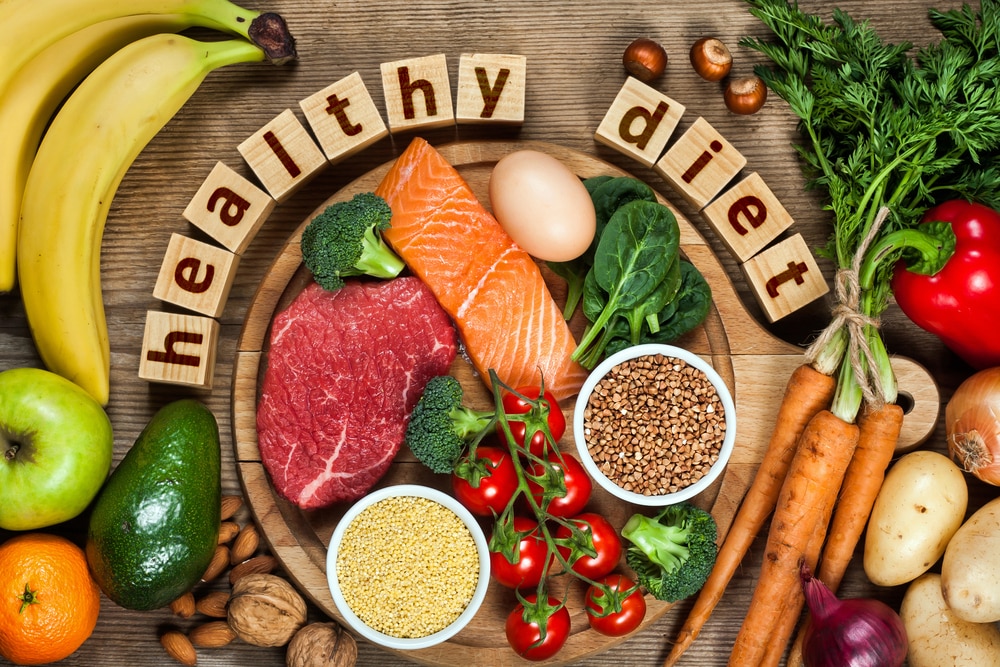
Is this the right path for you? If you are a woman yearning for sustained energy that doesn't falter, for profound emotional balance that stabilizes your day, for robust physical health that feels strong and resilient, and for a joyful, guilt-free connection with food, then unequivocally, yes. These diet tips for women offer a scientifically grounded, yet deeply intuitive framework for living your most vibrant, empowered life. It’s an urgent invitation to step away from the exhausting, often demoralizing, diet merry-go-round and instead, step consciously and confidently into a lifelong journey of self-care that truly nourishes you from your very core. Commit to these enduring principles, embrace the process with patience and kindness, and prepare to unlock a version of yourself that is brimming with untapped potential, radiant with health, and truly empowered to thrive in every aspect of your existence. It’s time to choose nourishment, choose vitality, choose wisdom, choose you.
Frequently Asked Questions
What are the most crucial diet tips for women across different life stages?
While core principles like nutrient density, whole foods, and mindful eating remain constant, the emphasis on specific nutrients and dietary strategies shifts significantly across a woman's life stages due to distinct physiological demands.
- Adolescence (Puberty to Late Teens): Crucial for establishing peak bone mass, thus requiring adequate calcium, Vitamin D, and magnesium. Iron needs increase with the onset of menstruation. Protein is vital for growth and development.
- Reproductive Years (20s-40s): Folate (B9) is paramount for women of childbearing age to prevent neural tube defects in potential pregnancies. Iron is critical due to menstrual blood loss. Omega-3 fatty acids support hormonal health and reduce inflammation, helping manage PMS. Balanced blood sugar is key for fertility and energy.
- Pregnancy and Lactation: Caloric needs increase, but nutrient density becomes even more crucial. Folate, iron, calcium, Vitamin D, choline, and DHA (an omega-3 fatty acid vital for fetal brain and eye development) are in high demand. Specific supplements are often recommended.
- Perimenopause and Menopause (40s-50s+): Bone density maintenance (calcium, Vitamin D, K2, magnesium) becomes a primary focus. Heart health is increasingly important, with an emphasis on fiber, healthy fats, and lean protein. Phytoestrogens (flax seeds, soy in moderation) may help manage hot flashes. Metabolism tends to slow, making protein and fiber essential for satiety and muscle mass retention.
- Senior Years (60s+): Focus shifts to preventing muscle mass loss (sarcopenia) with adequate protein, maintaining bone density, addressing potential nutrient absorption issues, and ensuring consistent hydration. Nutrient-rich, easily digestible foods are important.
Tailoring your approach to your current life stage is key for optimal health and well-being.
How do hormones influence a woman's dietary needs?
Hormones are powerful chemical messengers that profoundly impact metabolism, energy levels, mood, body fat distribution, and even cravings; their dynamic fluctuations directly dictate a woman's specific dietary requirements. Estrogen, for instance, influences insulin sensitivity and fat storage, particularly around the hips and thighs in reproductive years, and can shift to abdominal fat post-menopause. Dietary choices, especially the balance of complex carbohydrates, lean proteins, and healthy fats, directly influence hormone synthesis (e.g., fats are precursors to steroid hormones) and how the body processes and eliminates excess or metabolized hormones.
Fiber, as mentioned, is crucial for supporting the "estrobolome" – a collection of gut bacteria that modulates estrogen metabolism. A healthy estrobolome ensures proper excretion of spent estrogen, preventing its reabsorption and potential hormonal imbalances. Chronic stress elevates cortisol, which can disrupt blood sugar, increase cravings for sugary/fatty foods, and impact other hormones like progesterone and thyroid hormones. Magnesium and B vitamins play roles in mitigating stress response and supporting neurotransmitter production that influences mood. Supporting liver detoxification pathways through specific antioxidants (e.g., from cruciferous vegetables) and adequate protein intake is also vital for efficient hormonal equilibrium and breakdown.
Is intermittent fasting suitable for women?
Intermittent fasting (IF) can offer significant metabolic benefits for some individuals, such as improved insulin sensitivity and weight management. However, for women, it often requires a more nuanced and cautious approach than for men, primarily due to women's inherent hormonal sensitivities. The female endocrine system, particularly the hypothalamic-pituitary-adrenal (HPA) and hypothalamic-pituitary-gonadal (HPG) axes, is highly sensitive to caloric restriction and perceived stress, which fasting can mimic.
While some women thrive on IF, prolonged fasting windows or intense caloric restriction can sometimes disrupt hormonal balance, potentially leading to issues such as:
- Menstrual Irregularities: Disruption to the HPG axis can cause skipped periods (amenorrhea), irregular cycles, or changes in ovulation.
- Thyroid Dysfunction: The thyroid gland is sensitive to energy availability, and prolonged fasting can sometimes suppress thyroid hormone production.
- Increased Stress Hormones: Fasting can elevate cortisol levels, particularly if prolonged or coupled with high stress, impacting sleep, mood, and potentially leading to adrenal fatigue symptoms.
It's often recommended that women start with shorter fasting windows (e.g., 12-14 hours, also known as time-restricted eating), listen closely to their bodies for any adverse symptoms, and ensure adequate nutrient and calorie intake on eating days. Avoiding IF during highly stressful periods, pregnancy, lactation, or if experiencing pre-existing hormonal conditions is prudent. Consulting with a healthcare professional or a registered dietitian before adopting IF is highly advisable, especially if you have any health concerns or are of reproductive age. Gentle approaches are generally better tolerated and safer for female physiology.


